
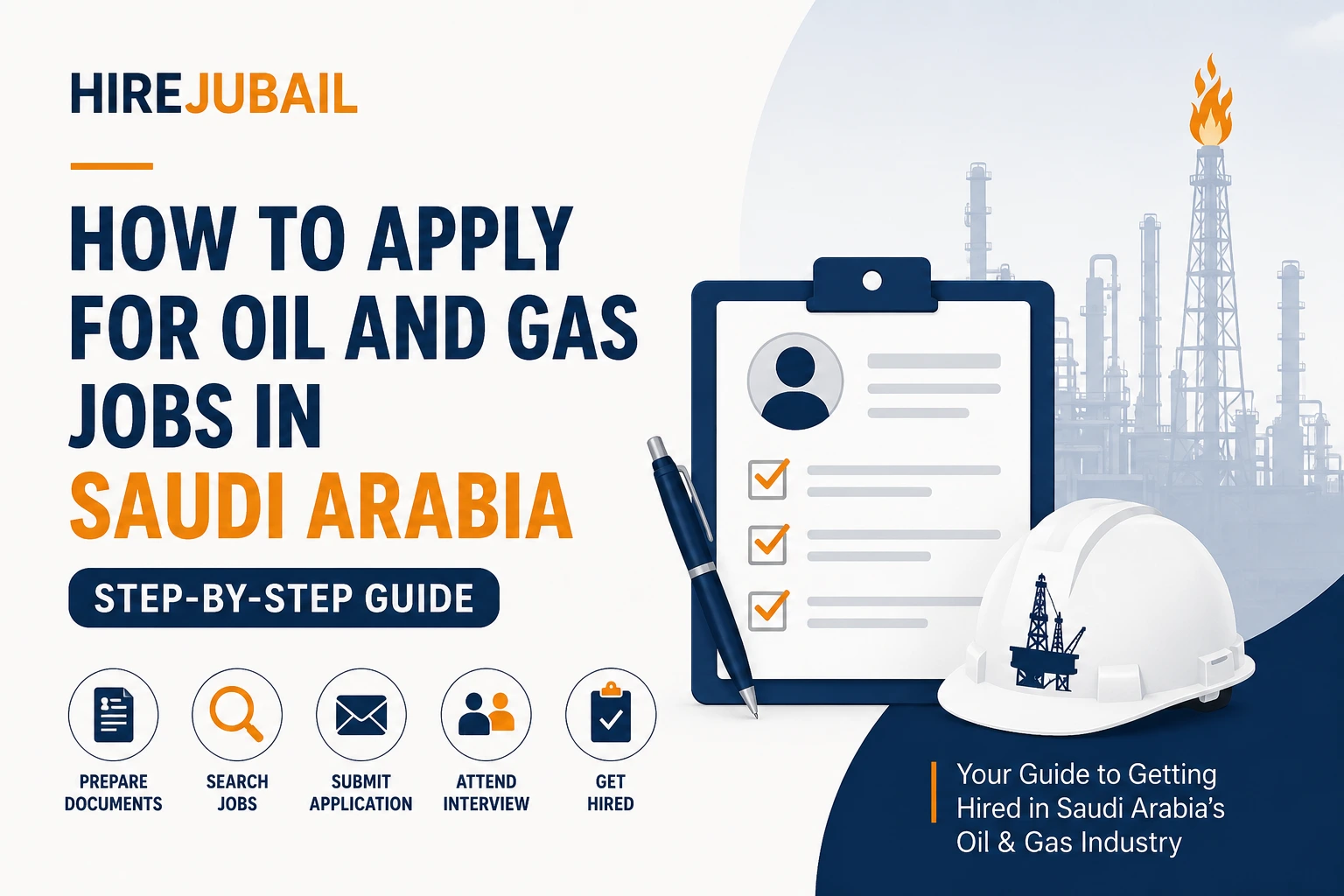
How to Apply for Oil and Gas Jobs in Saudi Arabia (Step-by-Step Guide 2026)
Learning How to Apply for Oil and Gas Jobs in Saudi Arabia is one of the most important steps for anyone looking to build a successful career in the Kingdom’s growing energy industry. Every year, thousands of local and international job seekers search for How to Apply for Oil and Gas Jobs in Saudi Arabia because the sector offers competitive salaries, excellent benefits, and long-term career opportunities. Whether you are an engineer, technician, safety officer, welder, electrician, scaffold supervisor, quality inspector, or administrative professional, understanding How to Apply for Oil and Gas Jobs in Saudi Arabia can significantly improve your chances of getting hired.
The number of Saudi Arabia oil and gas jobs continues to increase as Saudi Arabia expands its energy sector through projects supported by Saudi Vision 2030. Many leading oil and gas companies in Saudi Arabia regularly recruit skilled professionals for construction, maintenance, operations, shutdowns, and turnaround projects. However, many candidates fail to secure employment because they do not fully understand How to Apply for Oil and Gas Jobs in Saudi Arabia, where to submit applications, or how to prepare a professional CV that meets employer expectations.
Understanding How to Apply for Oil and Gas Jobs in Saudi Arabia also helps you avoid common mistakes, identify genuine employers, and apply through trusted recruitment channels. Many companies use professional oil and gas recruitment Saudi Arabia agencies and official career portals to hire qualified candidates. If you are interested in industrial opportunities, you can also apply for jobs in Jubail, one of the Kingdom’s largest industrial cities, where major refinery, petrochemical, and maintenance projects create thousands of job openings every year.
In this complete 2026 guide, you will learn How to Apply for Oil and Gas Jobs in Saudi Arabia step by step, from preparing your CV and required documents to submitting applications and succeeding in interviews. You will also discover the best oil and gas companies in Saudi Arabia, understand the recruitment process, explore the latest Saudi Arabia oil and gas jobs, and find practical tips that will help you confidently apply for jobs in Jubail and other major industrial cities. By following this guide on How to Apply for Oil and Gas Jobs in Saudi Arabia, you can improve your chances of securing a rewarding career in one of the world’s leading energy industries.
Why Learn How to Apply for Oil and Gas Jobs in Saudi Arabia?
Understanding How to Apply for Oil and Gas Jobs in Saudi Arabia is essential because the Kingdom is home to one of the world’s largest and fastest-growing energy industries. Every year, thousands of vacancies are announced by refineries, petrochemical plants, EPC contractors, and industrial maintenance companies. However, many qualified candidates fail to secure these opportunities because they do not know How to Apply for Oil and Gas Jobs in Saudi Arabia correctly or where to submit their applications.
Learning How to Apply for Oil and Gas Jobs in Saudi Arabia helps you prepare a professional CV, gather the required documents, and apply through trusted company career portals and recruitment agencies. Instead of wasting time on unreliable websites or fake recruiters, you can focus on genuine opportunities offered by leading oil and gas companies in Saudi Arabia. This approach increases your chances of receiving interview calls and job offers.
Another reason to understand How to Apply for Oil and Gas Jobs in Saudi Arabia is the growing demand for skilled professionals. The number of Saudi Arabia oil and gas jobs continues to increase as the country invests in new refineries, petrochemical facilities, offshore projects, and industrial infrastructure. Engineers, technicians, safety officers, welders, electricians, scaffolders, inspectors, operators, and many other professionals are regularly recruited for these projects.
Candidates who know How to Apply for Oil and Gas Jobs in Saudi Arabia also have a better understanding of the oil and gas recruitment Saudi Arabia process. They know how to search for vacancies, customize their CV for each position, prepare for interviews, and avoid common application mistakes. If you are planning to apply for jobs in Jubail, this knowledge is even more valuable because Jubail is one of Saudi Arabia’s largest industrial cities and offers thousands of employment opportunities every year.
By learning How to Apply for Oil and Gas Jobs in Saudi Arabia, you can save time, avoid recruitment scams, improve your application strategy, and increase your chances of building a successful long-term career in the Kingdom’s thriving oil and gas industry.
Why Work in Saudi Arabia’s Oil and Gas Industry?
The oil and gas industry offers many benefits, including:
- Competitive salaries
- Overtime opportunities
- Long-term employment
- Career growth
- Work with international companies
- Modern industrial facilities
Many jobs are available in cities such as Jubail, Dammam, Ras Tanura, Yanbu, Jeddah, and Riyadh.
Step 1: Prepare Your Documents
Before applying, make sure you have:
- Updated CV
- Passport
- IQAMA (if already in Saudi Arabia)
- Valid work visa
- Educational certificates
- Experience certificates
- Safety training certificates (if available)
Having these documents ready helps speed up the hiring process.
Step 2: Create a Professional CV
Your CV should include:
- Personal information
- Contact number
- Work experience
- Skills
- Education
- Certifications
Keep your CV simple, clear, and limited to one or two pages.
Step 3: Search for Job Vacancies
There are several ways to find jobs:
Company Websites
Many companies publish vacancies on their official websites.
Recruitment Agencies
Authorized manpower suppliers regularly recruit skilled workers.
Job Portals
Many online job portals post daily vacancies.
HireJubail
HireJubail collects daily job updates from manpower suppliers and industrial companies, making it easier for job seekers to find opportunities in one place.
Step 4: Contact the Employer
Once you find a suitable vacancy:
- Read the requirements carefully.
- Send your CV.
- Include the required documents.
- Use a professional message.
- Follow the application instructions exactly.
Avoid sending incomplete applications.
Step 5: Prepare for the Interview
Employers may ask about:
- Previous work experience
- Safety knowledge
- Technical skills
- Availability
- Documents
Answer honestly and confidently.
Step 6: Attend Trade Tests
Some positions require practical tests, including:
- Welder
- Pipe Fitter
- Electrician
- Instrument Technician
- Scaffolder
- Sand Blaster
- Spray Painter
- Rigger
Practice your skills before attending the test.
Step 7: Stay Updated
New vacancies are posted every day.
Checking job updates regularly helps you apply early before positions are filled.
Common Mistakes to Avoid
Many applicants miss opportunities because they:
- Submit outdated CVs.
- Ignore required documents.
- Apply for jobs without meeting qualifications.
- Provide incorrect contact information.
- Miss interview dates.
Avoiding these mistakes can significantly improve your chances.
Frequently Asked Questions
Do I need experience?
Some jobs require experience, while helper and entry-level positions may not.
Can foreigners apply?
Yes. Many companies hire workers from different countries depending on visa availability.
What documents are usually required?
Typically, employers ask for your CV, passport, IQAMA (if applicable), certificates, and experience letters.
How often are new jobs posted?
Industrial companies and manpower suppliers post new opportunities almost every day.
Final Thoughts
Applying for oil and gas jobs in Saudi Arabia becomes much easier when you prepare your documents, maintain a professional CV, and regularly monitor new job postings. Following the correct process can improve your chances of securing a position in the country’s growing industrial sector.
Whether you are searching for shutdown work, long-term employment, or skilled trade positions, staying informed and applying quickly can make a significant difference.




One Comment